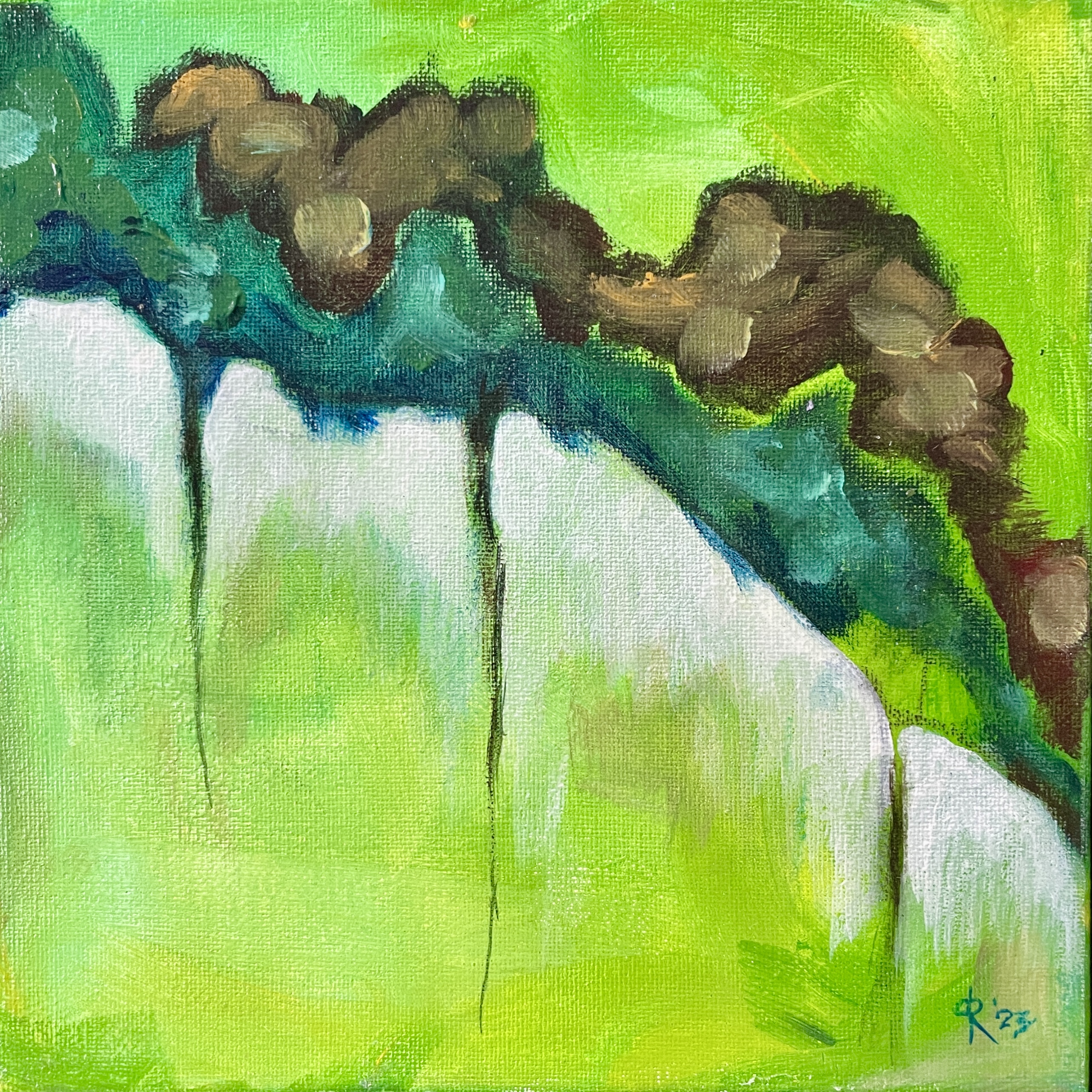
Life sure moves fast.
I’ve been creating tons of work in the last two to three years and selling at our gallery space in Park Rapids, MN, Studio 176. I’m happy with that prospect and the emerging and supportive arts community. It’s been fascinating to watch the extremely talented people who now come out of the underground to exhibit, perform, share, and lead arts-related workshops.
Although I left teaching art to high school students in 2021, I continue to share my skill set, but in a different capacity. Back in September, I was asked to give a presentation about the Arts Community in Park Rapids. While I still feel I might not be the best person to be sharing artistic accomplishments and future goals of our area, I was able to fill the 90 minutes easily only touching briefly on the multitude of arts organizations and events. Earlier in the year, I led three Printmaking Intensives, In October I worked with the Park Rapids DAC community with some printmaking classes, and coming up I’ll be leading an experimental or side-by-side drawing class. Probably sometime in March 2024.
When I shared my knowledge as a teacher, my personal goals as an artist were often clouded. Opportunities in rural areas to continue learning or exhibiting art exist only with the words “few and far between.” And honestly, I thought, “Well, this may be the path that is laid before me, so I should be content.” Being an art teacher creates an additional layer for those of us who constantly see something new and shiny as the thing that will magically change our world. Sometimes I could teach a repeat project for a few years and then all of a sudden, it’s a flop. The kids didn’t care, I didn’t care, and the final product showed a lack of care. So onto the next shiny thing. While I supported my students to pursue careers in art-related fields, I felt that my time as a working artist may have passed me by.
Because of that “shiny syndrome,” I find myself working on several projects at a time. Might be a mix of stained glass, oil painting, a print, a new recipe, a sewing project, or whatever happens to be in front of me. I also lack a consistent style. Part of that lack of style may be due to the fact I can not imagine a painting or image in my head.
Literally.
It’s called Aphantasia and it varies in degrees to what senses the brain can recall. For me, it’s just a visual image. For others, it’s not only a visual but smells or sounds as well. It plays greatly in my ability to remember things such as what people are wearing, what the conversation was, and events. Some folks can recall everything or even replay it; similar to a movie. You can read more here if you’re interested.
My close friends are astounded by the fact that I can create what I do without the ability to bring up an image. It’s not bothersome or as shocking as when I first learned of it, but I’ve now determined that I react to either conversation for my ideas, or if I am in front of a blank canvas, I just choose some paint colors, and react to that first brush stroke. Sometimes, I use a reference photo for a particular shape/form of an object but then it’s reaction after reaction after reaction.
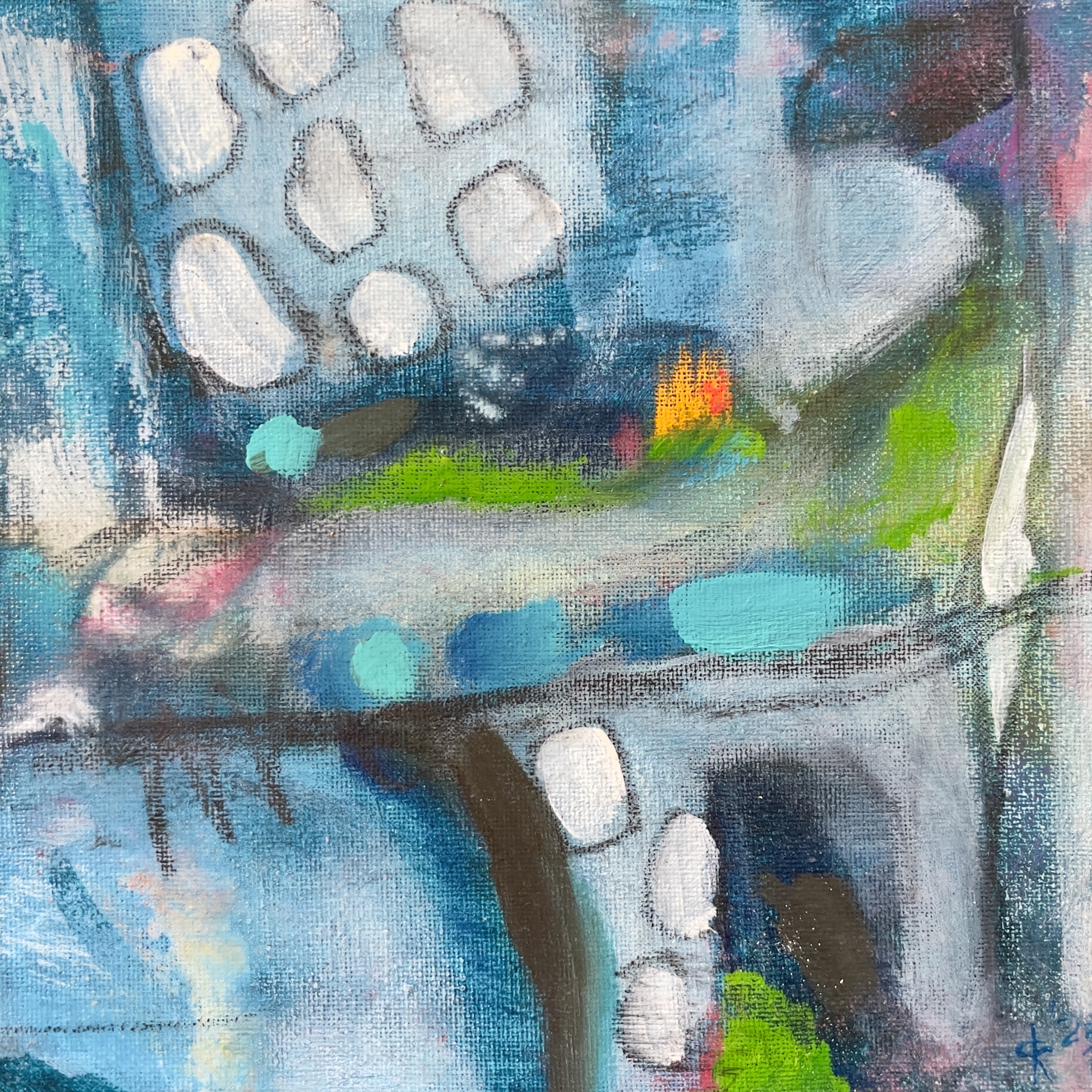
Several weeks back, I decided to try my hand at some abstract painting (again). It was horrific. It made no sense, the colors were off and it was beyond saving. Just like the 30 other attempts in recent years. A few days later, I looked at some work by J.J. Ellis on Instagram. I love his work. Lo and behold there was a way to send him a message and so I wrote to him. Here’s what he said, along with a couple of tips that I already knew and taught every day for 24 years!
“I honestly feel like you might be at a hidden advantage to people who get bogged down by not being able to replicate what they see in their head. When I start a work I am honestly trying to pretend I’m you, I do my absolute best not to imagine a finished image in my head. I try to paint automatically and let the work make itself. I try to intuit what the canvas wants next: “Oh I think this might balance out the left side of the work.” “oh let’s connect these two shapes” but I’m not imagining a finish. It’s very in the moment. I’ve trained for many many years in composition and color theory and I trust my instincts to a point that sometimes it’s almost like I’m not there. That’s when the paintings are best, in that flow state when it’s almost like I go away. I think you should research a bit about composition and color theory.”
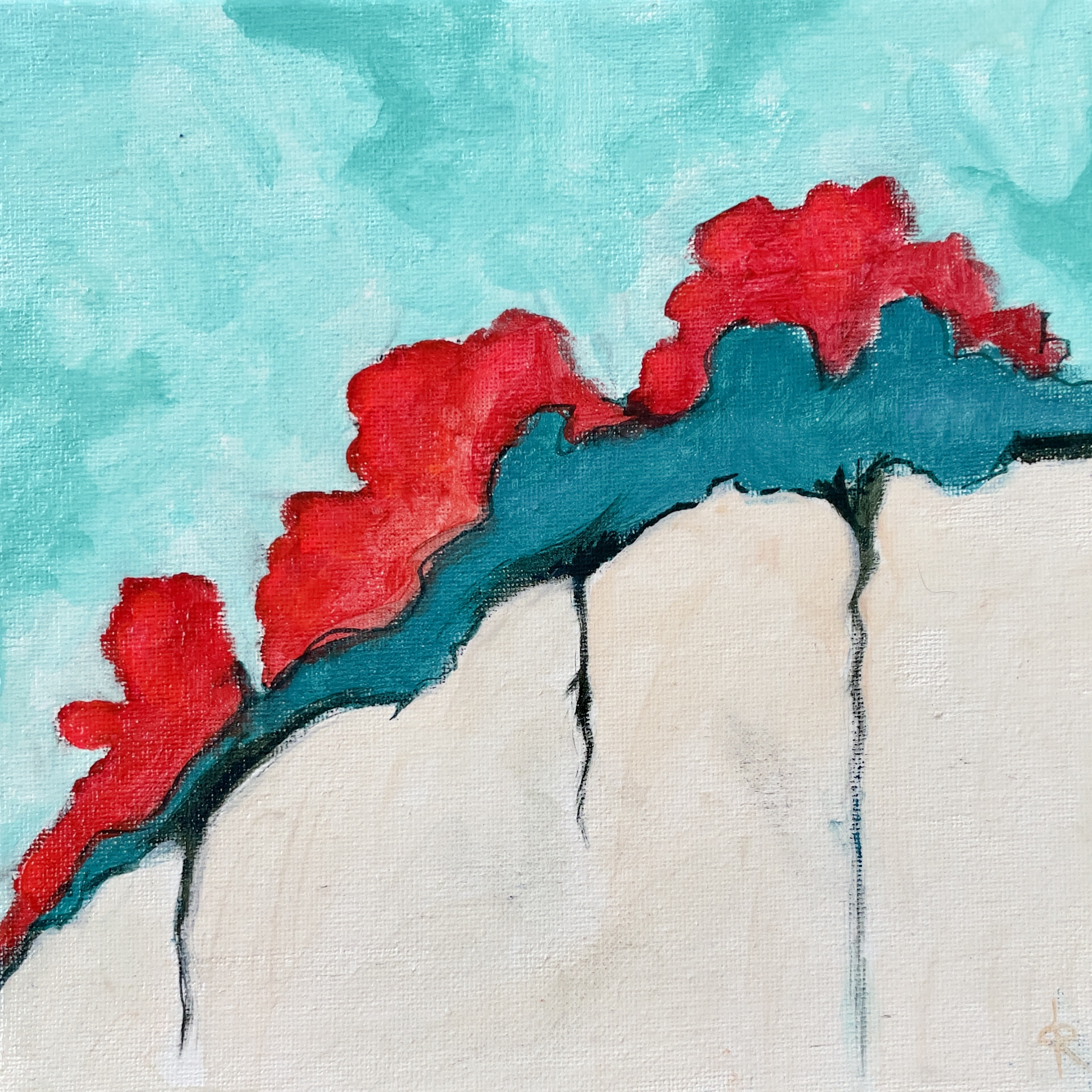
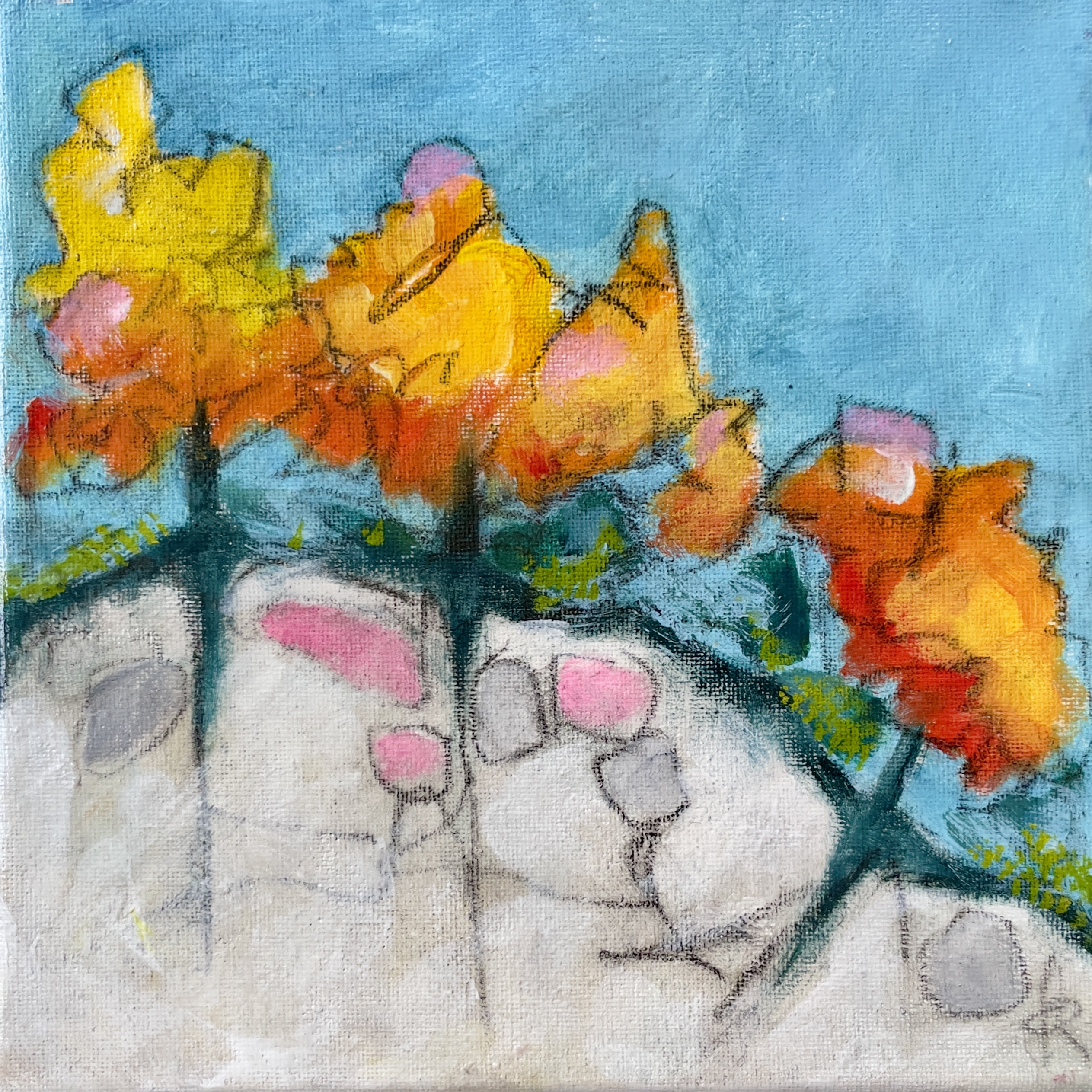
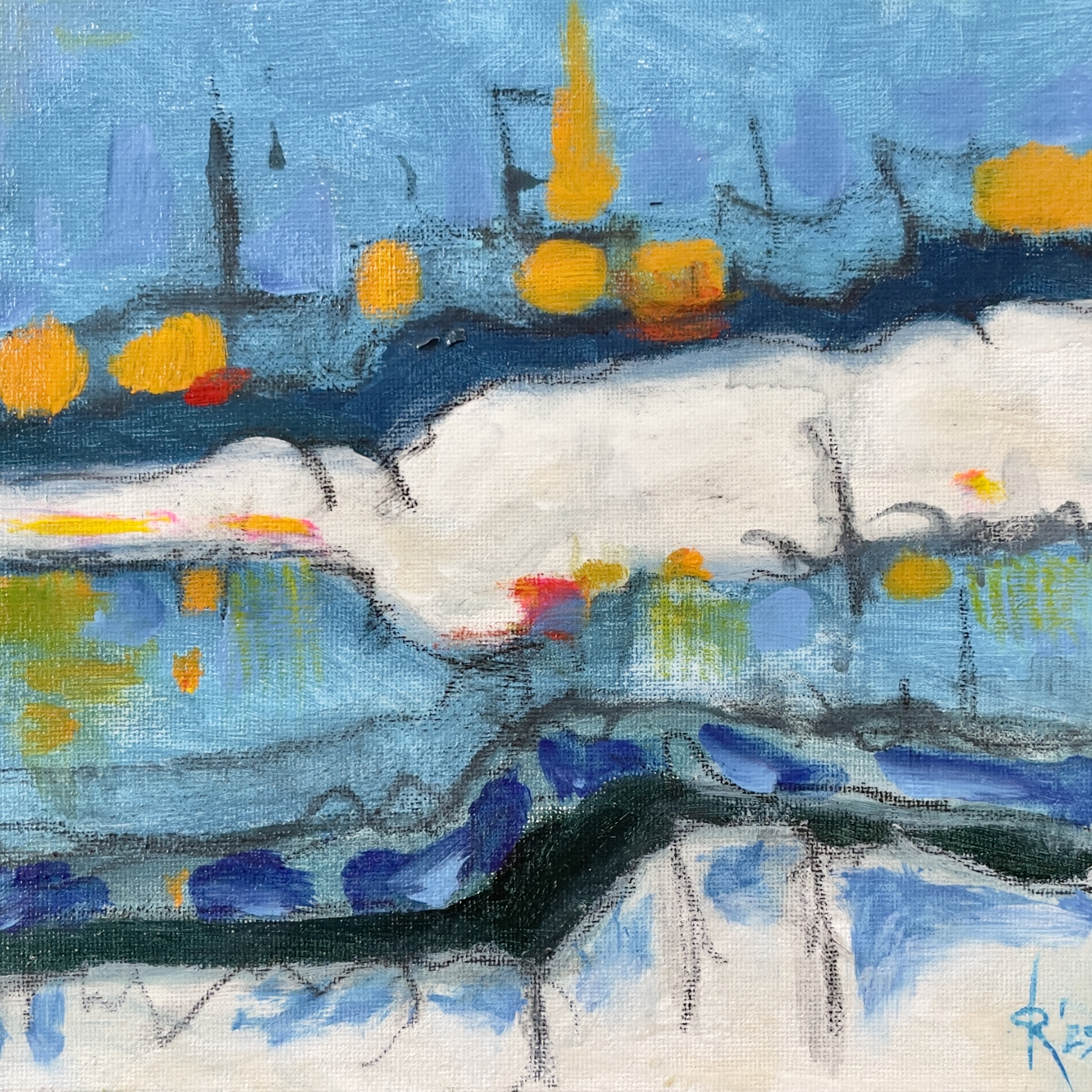
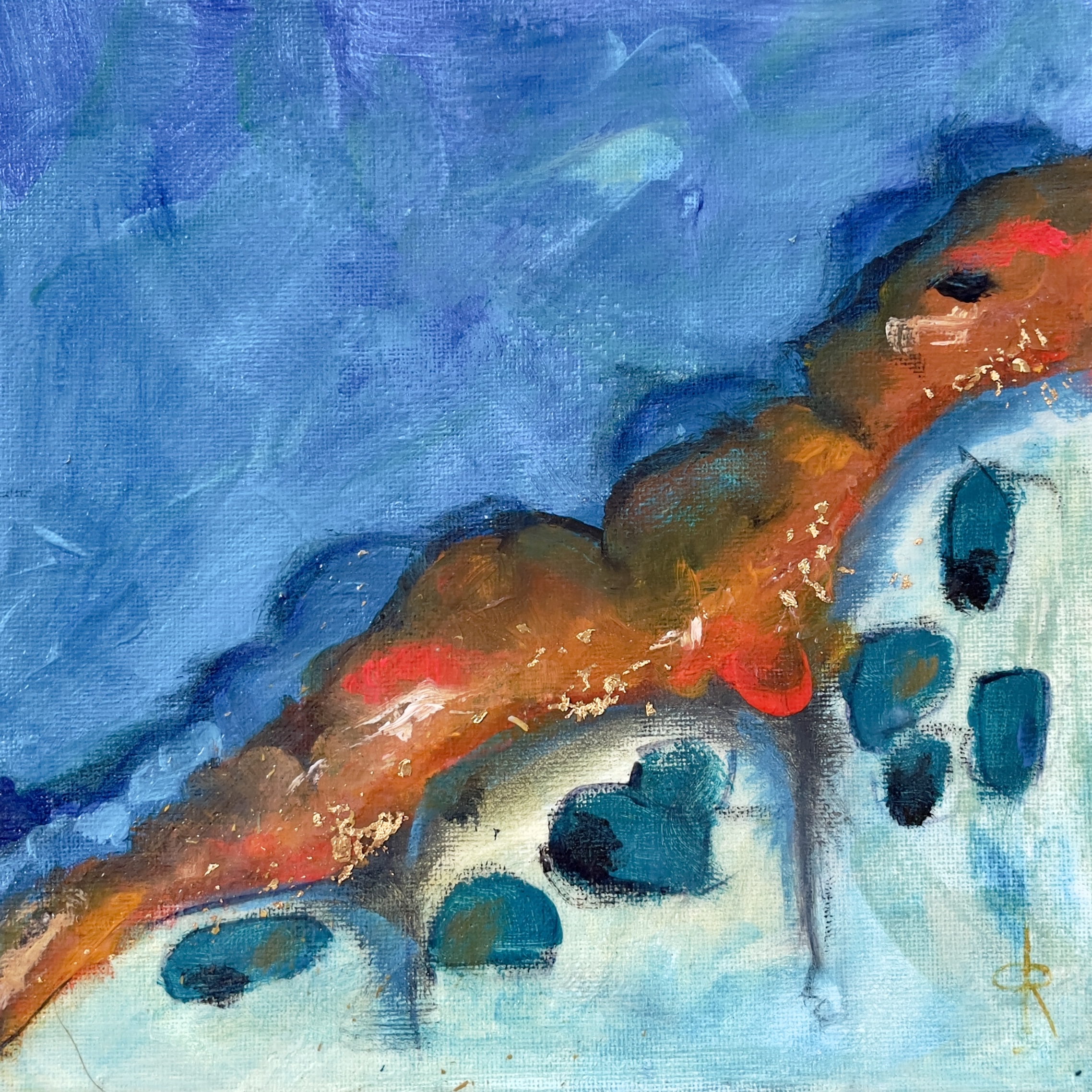
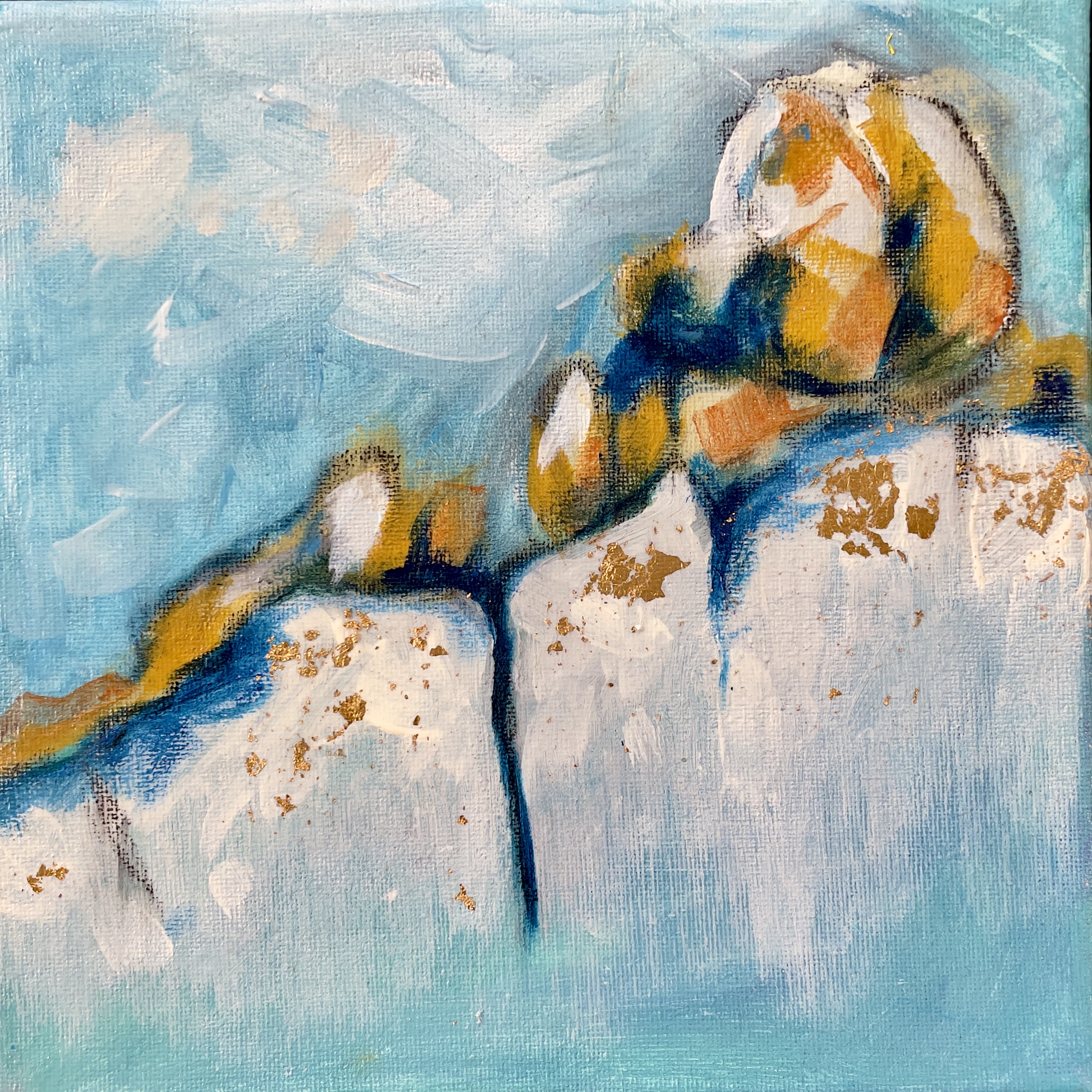
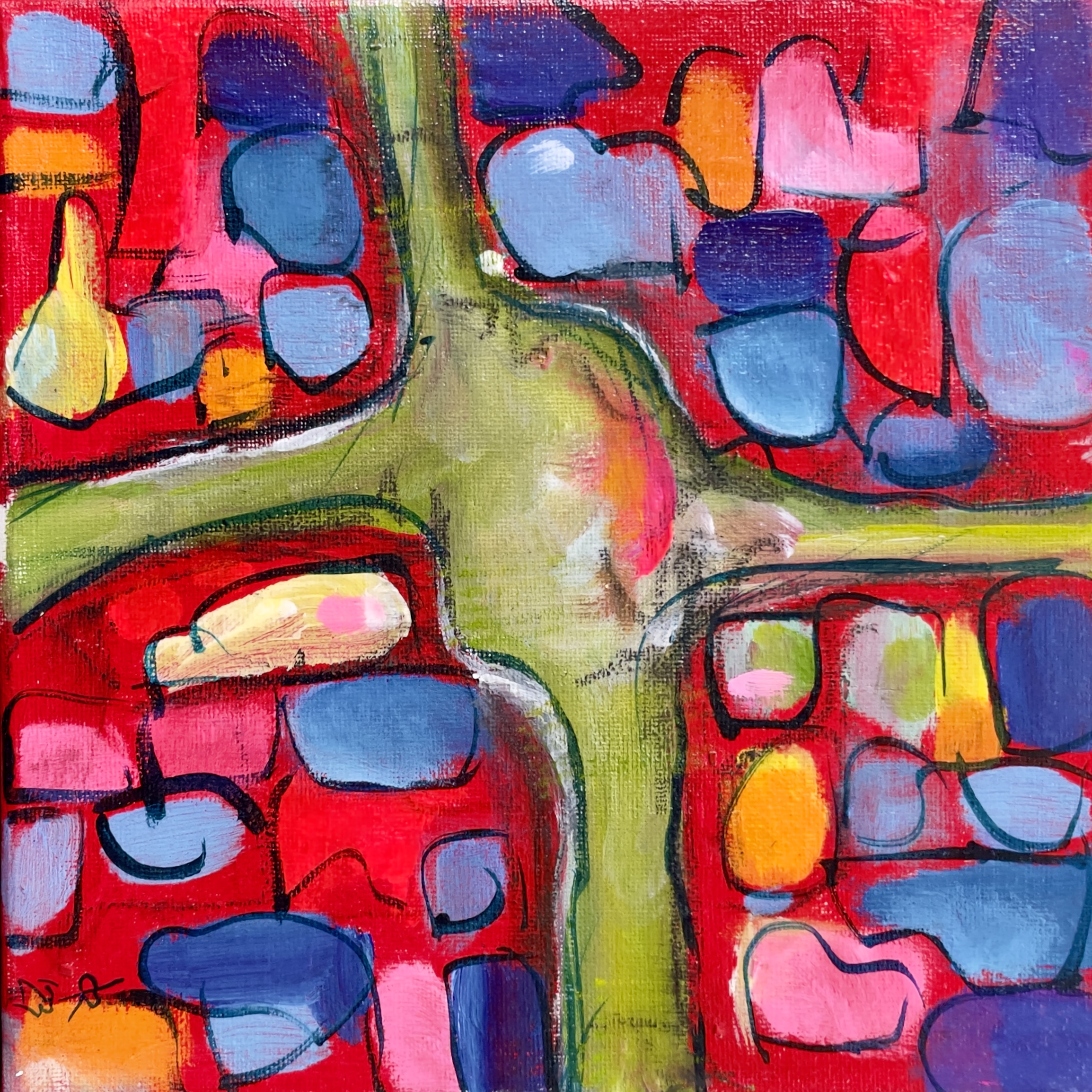
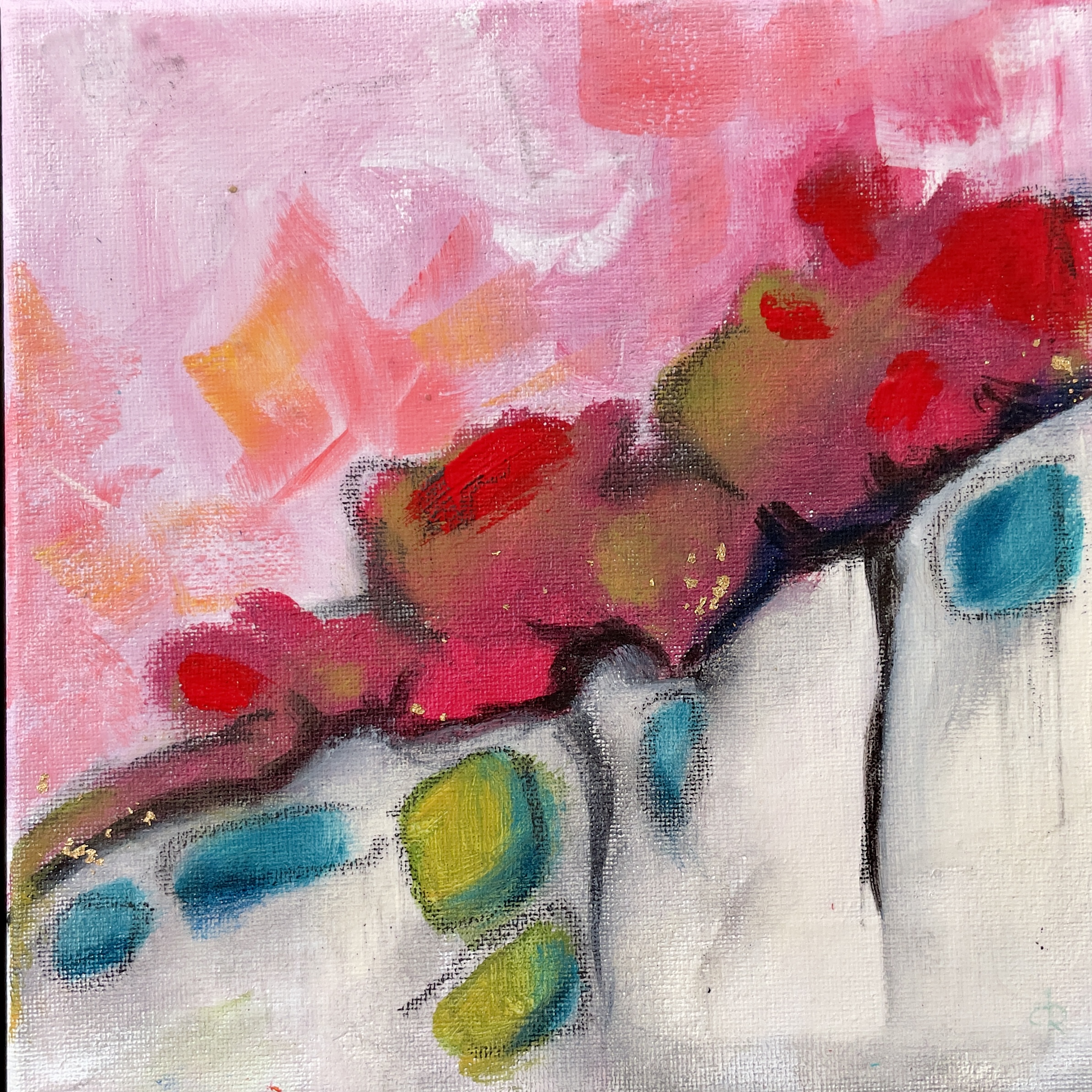
So I went back to those basics and while maybe not totally where I want to be yet, I was happy with the results. Moral of the story: even artists who have been painting and drawing for years, need feedback or conversations to set them back on the right track.
Below: Apparitions No 2 through 12.





 Dawn Rossbach
Leave a comment